Expert Insights: The Benefits of Embracing Sustainable Economics for Businesses


Understanding Sustainable Economics
In recent years, the concept of sustainable economics has gained significant traction among businesses worldwide. This approach focuses on balancing economic growth with environmental protection and social equity. By integrating sustainability into their operations, companies can achieve long-term success while contributing positively to society and the planet.
Sustainable economics encourages businesses to consider the environmental and social impacts of their decisions. This holistic approach not only helps preserve natural resources but also enhances a company’s reputation and customer loyalty.
Financial Benefits of Sustainable Practices
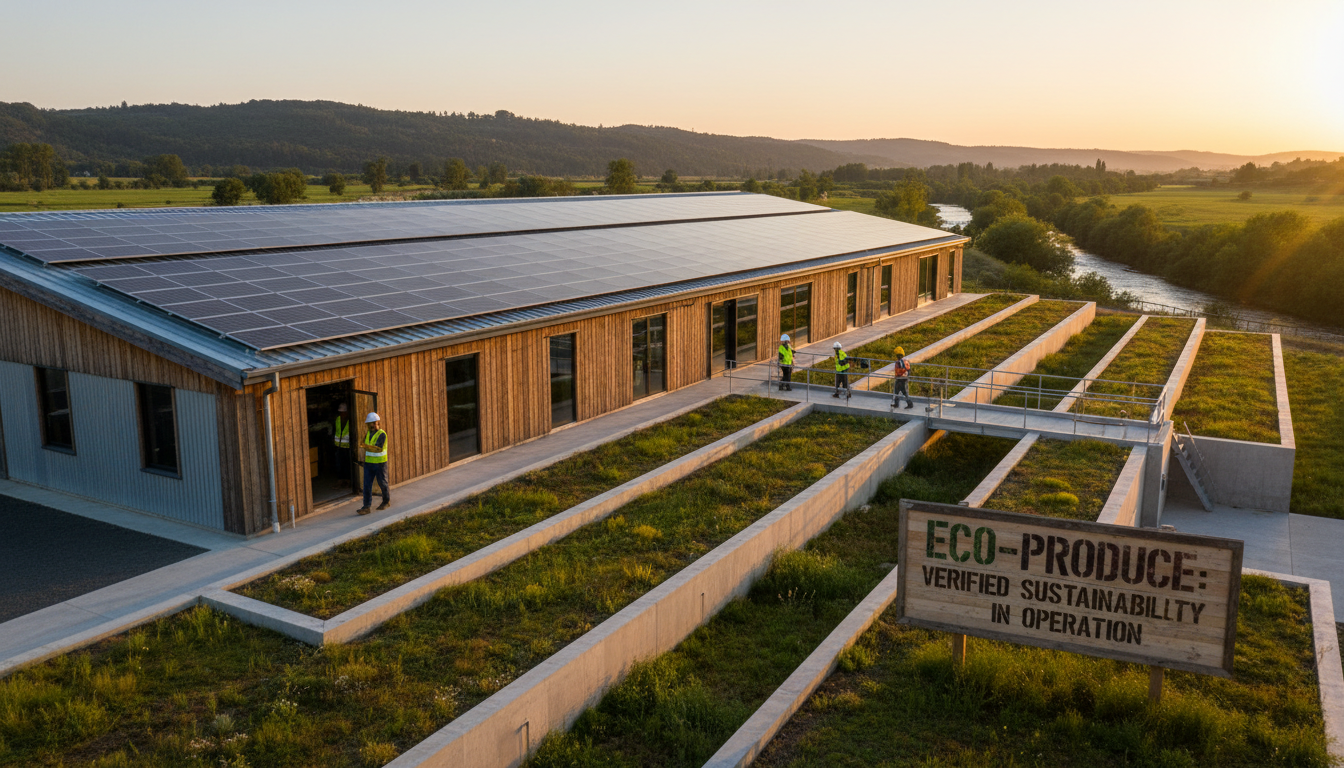
Adopting sustainable economic practices can lead to substantial financial benefits for businesses. One of the most significant advantages is cost reduction. By implementing energy-efficient technologies and optimizing resource use, companies can significantly decrease their operational expenses.
Moreover, sustainability initiatives often open up new revenue streams. For example, developing eco-friendly products can attract a growing market of environmentally conscious consumers. Additionally, some governments offer incentives and tax breaks to companies that adopt sustainable practices.
Enhancing Brand Reputation
Embracing sustainable economics can greatly enhance a company's brand reputation. Consumers today are more informed and concerned about the environmental impact of the products and services they consume. By prioritizing sustainability, businesses can differentiate themselves from competitors and build a loyal customer base.

Companies that demonstrate a commitment to sustainability often enjoy increased media coverage and positive public perception. This enhanced visibility can lead to better brand recognition and increased customer trust.
Attracting and Retaining Talent
Sustainability is not only important to consumers but also to employees. Many job seekers today prefer to work for companies that are environmentally responsible and socially conscious. By adopting sustainable practices, businesses can attract top talent who are motivated by making a positive impact.
Additionally, employees who work for sustainable companies often report higher job satisfaction and engagement. This can lead to reduced turnover rates and lower recruitment costs, ultimately benefiting the company's bottom line.

Long-Term Business Resilience
One of the most compelling reasons for businesses to embrace sustainable economics is the increased resilience it provides. Companies that prioritize sustainability are better equipped to navigate challenges such as resource scarcity, regulatory changes, and shifting consumer demands.
By proactively addressing environmental and social issues, businesses can mitigate risks and ensure their long-term viability. This forward-thinking approach not only benefits the company but also contributes to a more sustainable global economy.
Conclusion
Incorporating sustainable economics into business strategies is no longer just an option; it's a necessity for companies aiming for long-term success. The benefits of sustainability extend beyond environmental impact, offering financial rewards, enhanced reputation, and improved employee satisfaction.
As more businesses embrace sustainable practices, they contribute to a more resilient economy and a healthier planet, paving the way for a brighter future for all. By making sustainability a core part of their operations, companies can thrive in an ever-changing world.